The grassy tasting oil coated my coated my tongue, gums, and then throat. Suddenly, a burning sensation sparked uncontrollable coughing. Lucia, my tour guide, laughed and in her lilting Italian accent exclaimed, “Yes, correct! This is an oil we categorize as spicy.”
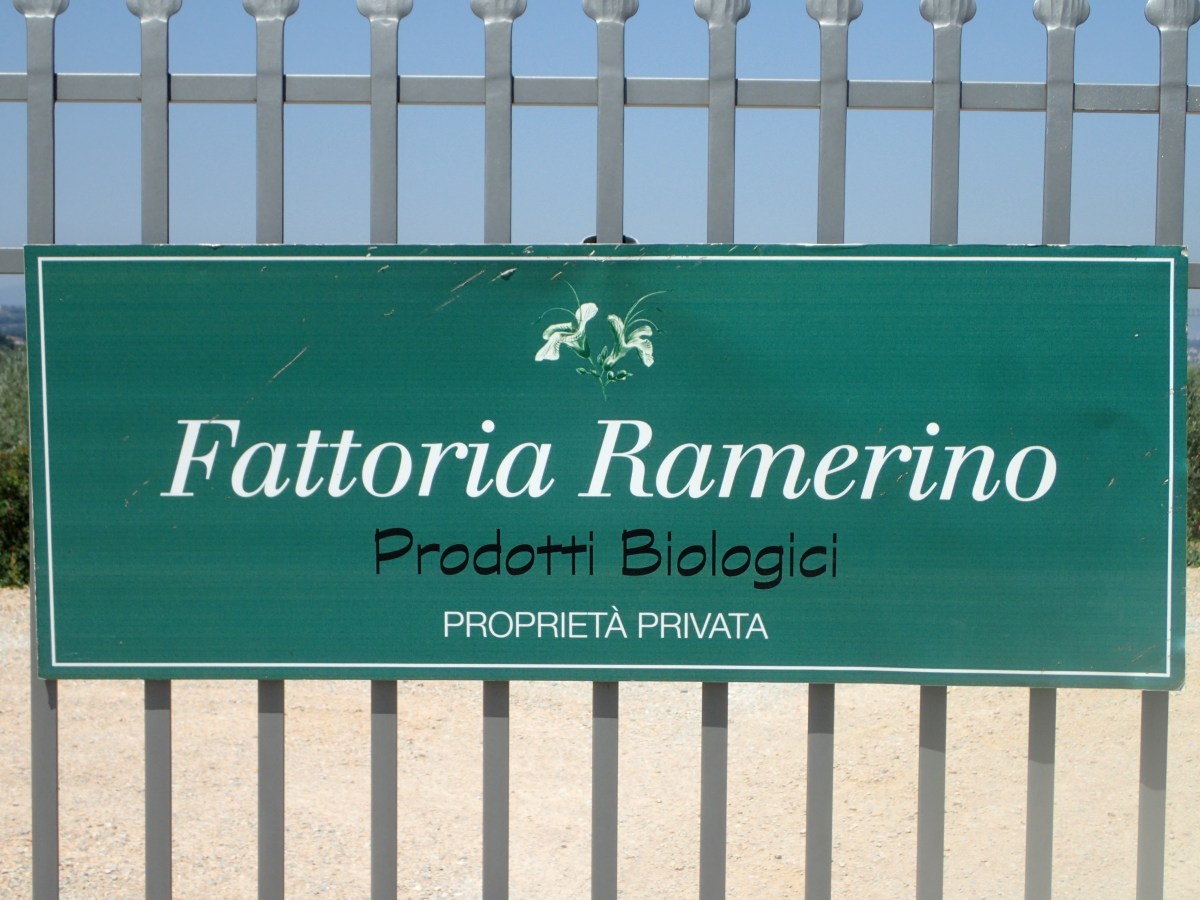
I was in a tiny, stark room that is the center of operations of Fattoria Ramerino, a small, family-run, award-winning organic olive oil farm in the hills outside of Florence. The walls were lined with steel tanks holding the precious “liquid gold,” as Italians affectionately call olive oil, and the bottling and labeling machine was tucked into a corner. The Alampi family bought the abandoned olive oil estate in 2000, and it is now run by their son Filippo with the assistance of Lucia, who has a PhD in agronomic science.

Most of the olive oil imported into America would be unrecognizable to Italians; it’s adulterated and full of impurities, taste bad and is bad for you. But that’s not only true for olive oil; too much of what we eat doesn’t taste anything like it tasted before we scarified quality and tradition to feed our demand for cheap quantity.
There’s a powerful realization that happens when you finally really taste food: think about hand-whipped cream, a ripe tomato picked from the vine, or a freshly baked whole grain fermented loaf of bread. You take a bite and think, “I had no idea it could taste this good.” That moment of joy turns into shock and then anger, because you realize just how far the food you’ve been eating is actually nothing like real food at all. “What the hell have I been eating?” That anger and a desire to learn how pure, high-quality olive oil brought me to Fattoria Ramerino while on holiday in Italy.
Lucia met me outside, her skin a deep amber from the days spent in the orchard. Larger olive oil estates have scheduled tours and tastings, but many of the smaller estates, like Fattoria Ramerino, take you on a free, private tour with the expectation that you’ll purchase oil as you leave. I felt sheepish and a bit guilty that I was taking so much time out of Lucia’s busy day, but she seemed delighted that I cared so much about olive oil. Caring for the olive was her passion, from protecting and mothering each tree, to transforming the bitter, inedible raw olive into prized oil.
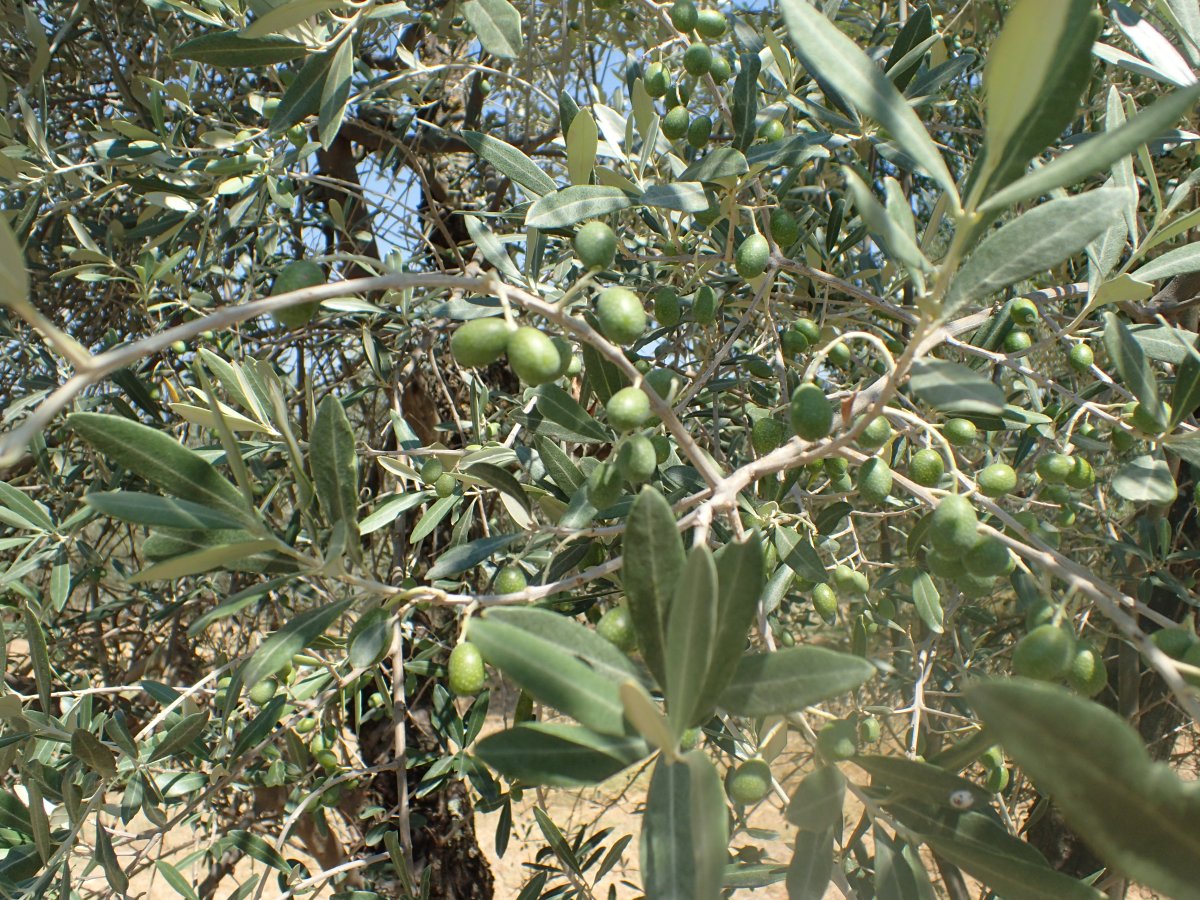
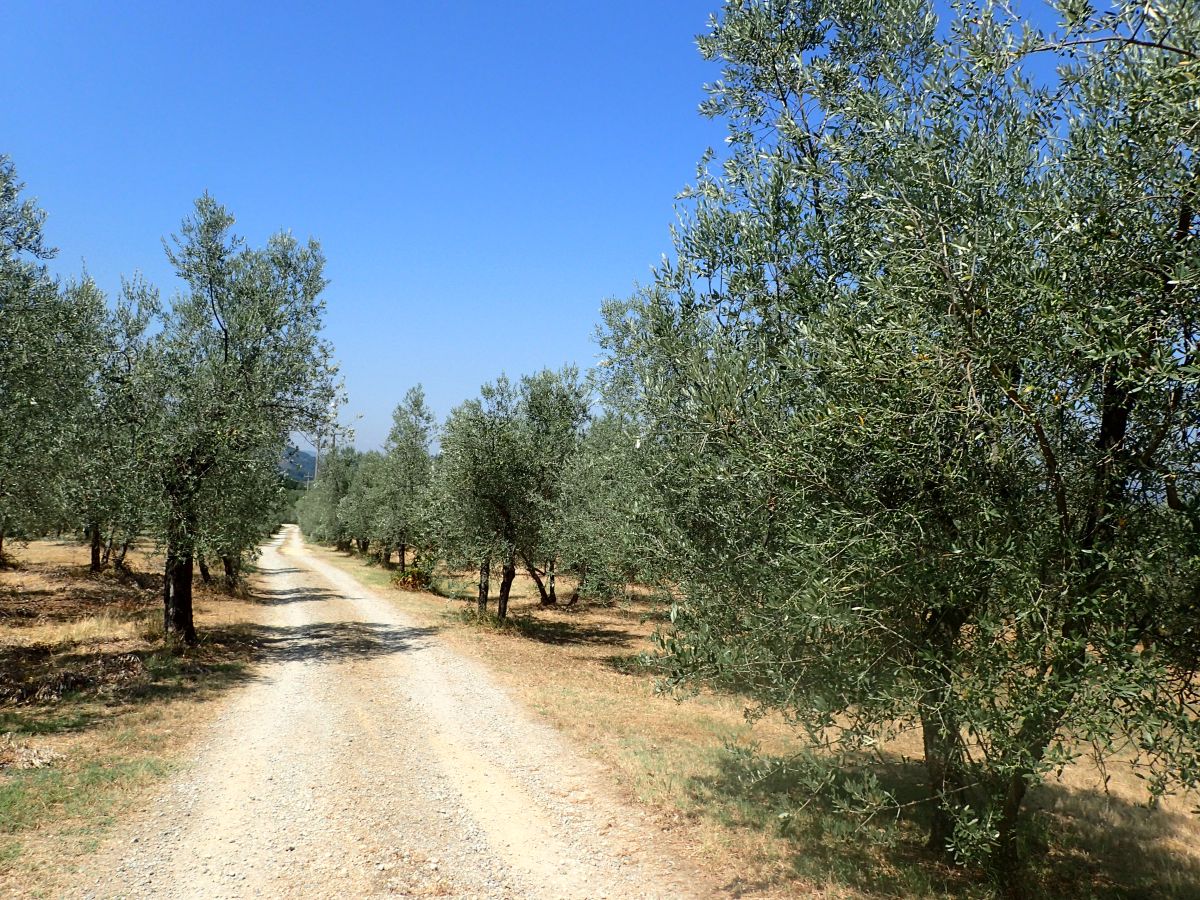 Fattoria Ramerino’s trees are over a century old with twisted and knotted branches heavy with tiny green olives. Row after row sprawl down the gently sloping green hills. The famous oblong red roof of Florence’s Duomo bulges in the distance, and behind is the remnants of a tiny convent. This farm was deeply rooted in tradition, and these trees demanded that their new caretakers produce an olive oil that worthy of that tradition.
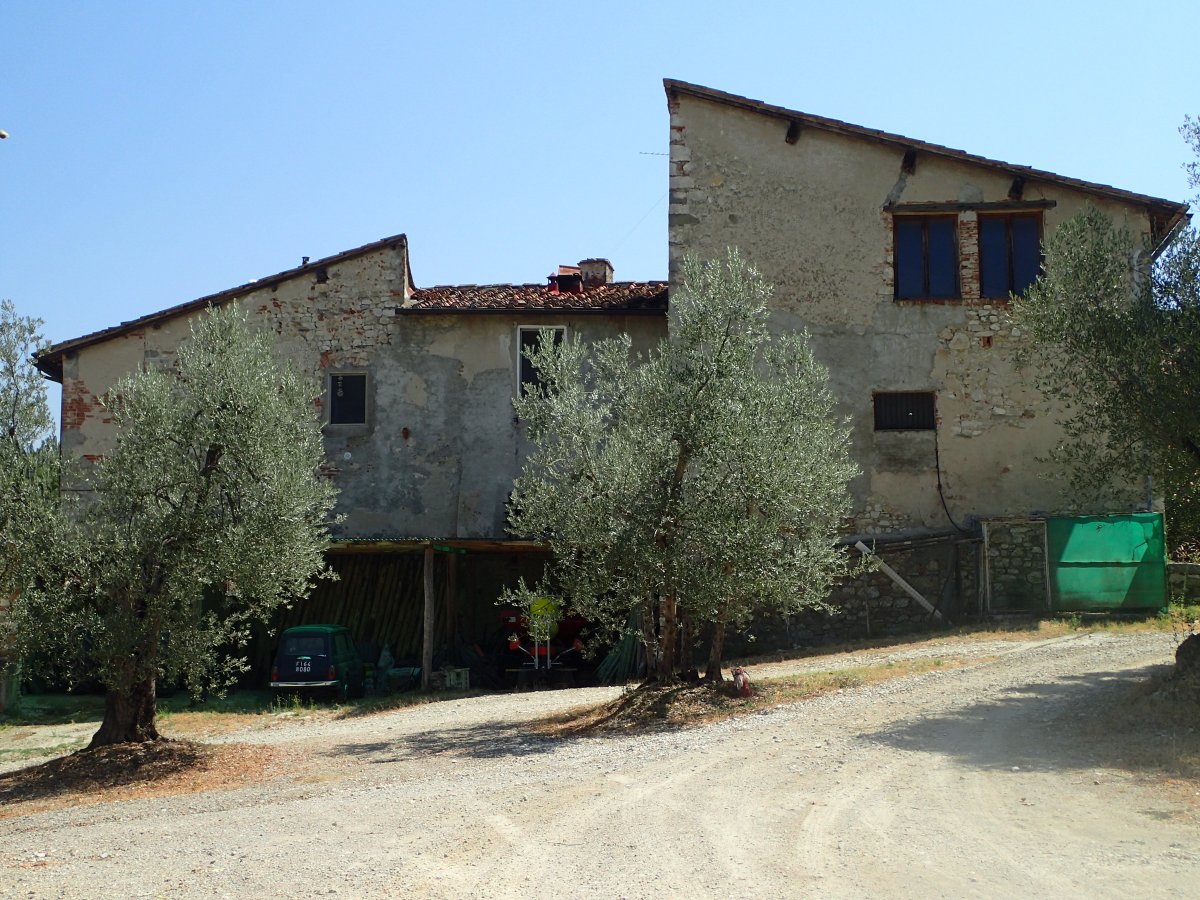
The Alampi family and Lucia accepted that responsibility, and they deeply respect the earth that gives life to their oil. Fattoria Ramerino is a certified organic farm that doesn’t use pesticides in order to protect the land, water, and animals, like the rabbit that we saw hop out behind a tree that Lucia told me is “delicious for rigatoni.” This earth-conscious stance makes it more challenging to combat pests like the olive oil fruit fly that devastated many farms in 2014. The estate survived the blight and continues to win numerous awards for their exceptional product using only organic methods.
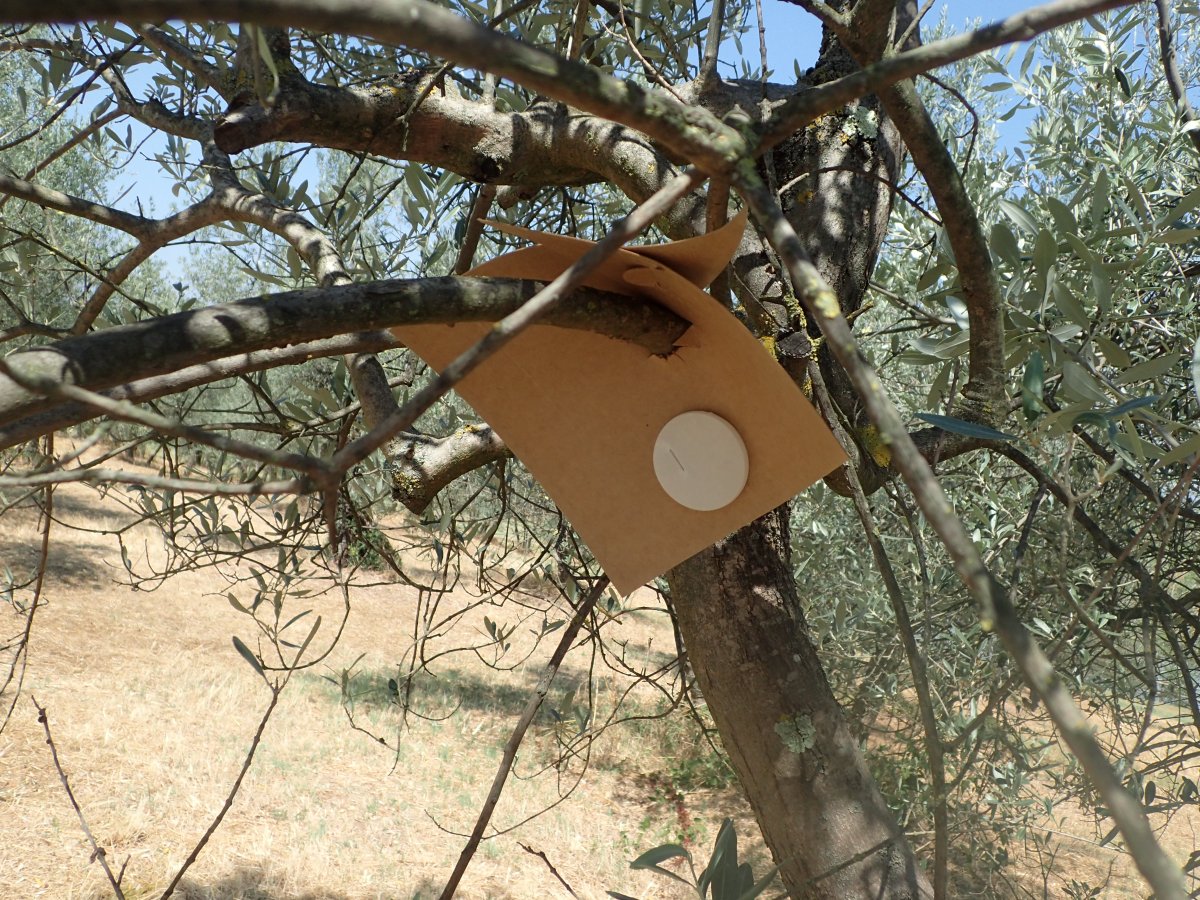
Standing in the shade of one of their oldest trees, I started to realize why this olive oil was nothing like the bland, cheap olive oil in the supermarket. The olive requires more coddling than Donald Trump’s bouffant; one tiny change in conditions or bruising at any point in the process—from the tree to storage— could ruin the oil’s quality. Once plucked, olives immediately start to decay, so they must be quickly but gently transported and pressed into oil within four hours. Once pressed, olive oil immediately breaks down, gradually losing flavor and going rancid in 18 months as oxygen, heat, and light invade. Lucia advised to never buy olive oil that is a year past its bottling date and not in dark bottle, and store oil in a cool, dark place.

Like wine grapes, different varietals of olives have different flavor profiles, which can change depending on harvest time and conditions: those plucked earlier are spicier thanks to a higher concentration of polyphenol antioxidants, while olives left to soften on the tree produce a sweeter oil. Each oil is tasted by Filippo and Lucia, and once they agree on the flavor profile, it is bottled and labeled. Accurately describing the oil is critical because Italians are as picky about olive oil as Americans in the South are about barbeque sauces: a bold spicy olive oil is added to soups or coats a Tuscan steak before grilling, while a mellow oil is sprinkled on fish and vegetables.
Although oxygen ruins the integrity of olive oil, it brings out the complex flavor during an olive oil tasting. Place a tablespoon of oil in a small cup, cover it with your hand, swirl, and take a whiff: the smell may remind you of fresh green grass, mature tomato leaves, or artichokes. Next, take a sip and swish the oil around in your mouth. Is the oil heavily coating your gums and tongue, or is it silky and light? When you’re ready, quickly suck in air through your teeth while swallowing the oil. The suck is like gasping but with your teeth closed, as you may do when you see a friend suddenly face plant into concrete. It feels goofy, but it aerates the oil, releasing deeper flavors into your throat and into your nasal cavities. A mild oil leaves you with a clean mouth feel, while a really peppery, spicy oil will almost burn your throat, making you cough and grab for water.
As I left the farm with four bottles of my very own liquid gold, I realized that vibrant, fruity, spicy, complex olive oil can’t be mass produced or completely mechanized. Quality olive oil’s secret ingredient is the people who make it.
Resources
Fattoria Ramerino’s website is splendid at explaining the different flavors and highlights their numerous awards. In the US, order their oil through olio2go.com.
Read about Italy’s rich olive oil tradition and the estates fighting to protect the art of olive oil production in the great New York Times article, Italy’s Treasured Olive Oil, at the Source by Danielle Pergament.
To learn more about how most of the olive oil imported in the United States is adulterated, full of impurities, taste bad, and is bad for you, listen to the Splendid Table interview with Journalist Tom Mueller, who has exposed the dirty world of olive oil in his books and articles.
 Travels with Cheese